Blog
Stay informed and up to date with content and news from Lafayette Life Science
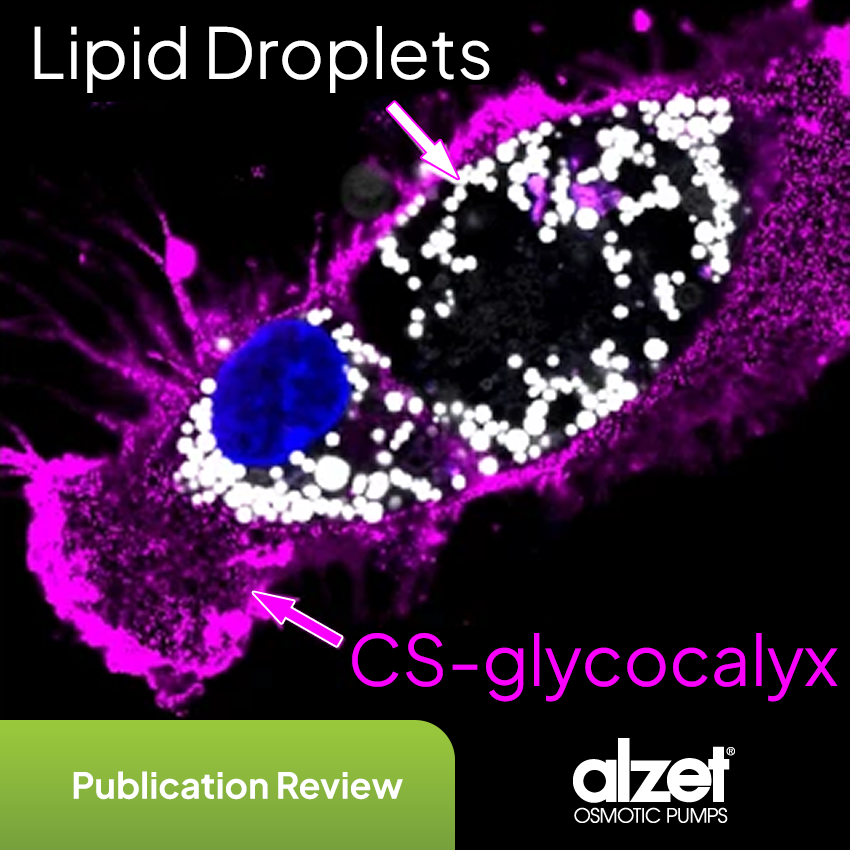
Glioblastomas are heavily associated with lipid droplet (LD) accumulation, and increasing evidence points to LDs promoting tumor survival under hostile conditions. However, the mechanisms involving LD formation, uptake, and storage are still not clearly understood.
Upcoming Events:
-
Pavlovian Society 2026
Date: September 17-19, 2026 -
39th ENCP Congress
Date: October 10-13, 2026 -
AALAS National Meeting 2026
Date: October 25-29, 2026
This spring, representatives at Campden Instruments held a video interview with Associate Professor Jess Nithianantharajah from the University of Melbourne to discuss the importance of cognitive behavior research.
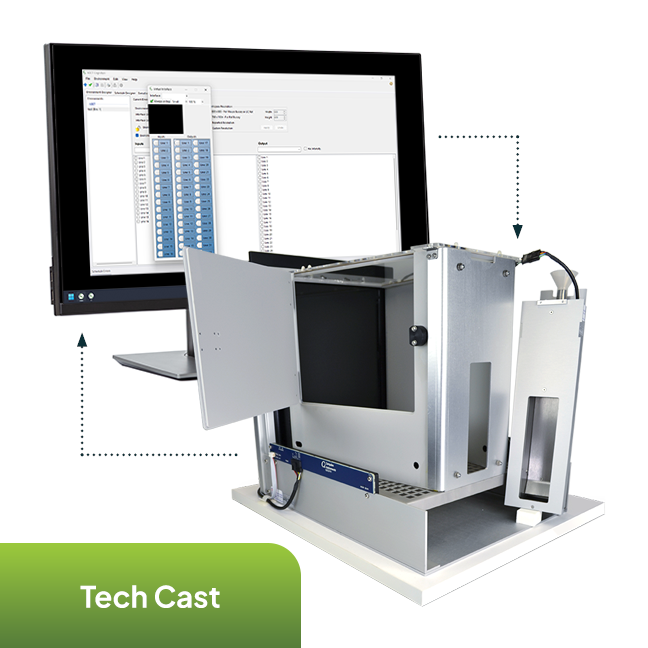
During this Tech Cast, Julie Gill leads a a 5-part video on setting up a Bussey-Saksida Touchscreen System using our ABET Cognition Software.
Lafayette Instrument Company is pleased to announce the acquisition of Sutter Instrument. Through this acquisition, Lafayette Instrument further expands their commitment to providing the most innovative and high-performance solutions and support available in the industry.
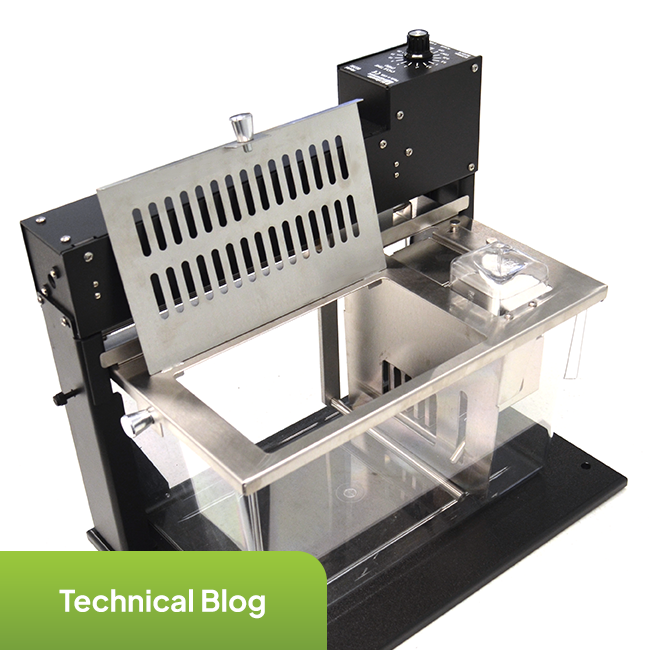
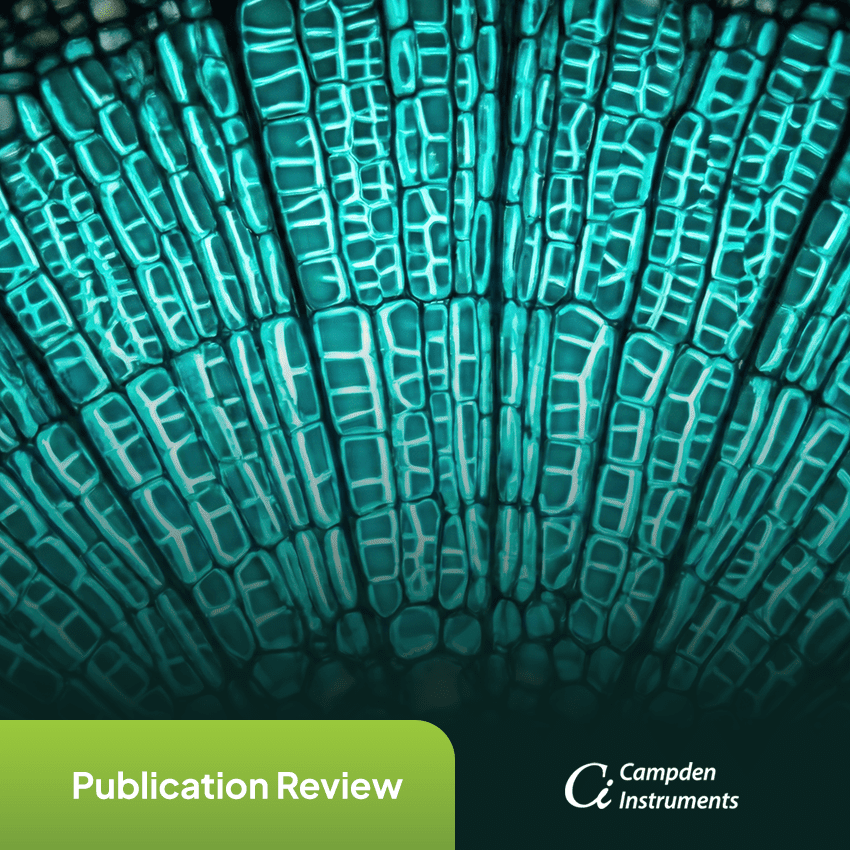
This publication review highlights two recent preprint studies utilizing Campden vibrating microtomes to slice plants to uncover how they regulate symbiosis and wood formation at the microscopic level.
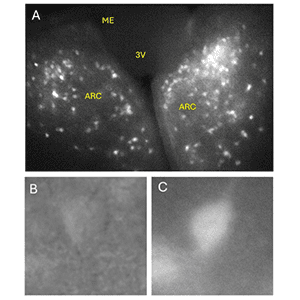
Kiss1 neurons in the mammalian brain release the neuropeptide kisspeptin, stimulating gonadotropin-releasing hormone (GnRH) release and activating the hypothalamic–pituitary–gonadal (HPG) axis.
In this one-hour webinar, two leading experts explored how the living brain slice is revealing new mechanisms of seizure generation, improving translational research, and shaping future therapeutic strategies.
From hidden cognitive states to measurable touch dynamics, this publication review highlights how cutting-edge touchscreen paradigms reveal precise motor signatures of decision-making in complex, ever-changing environments.
Two recently published studies shed light on the neurological mechanisms underlying Timothy syndrome and Alexander disease. Despite their distinct causes, both rare disorders share a common thread in how genetic mutations disrupt brain function at the synaptic and circuit level.
Adrenal function can be investigated using a plethora of methods, but acute slice preparations provide a unique approach, providing good access for experimental interventions while maintaining cellular interactions within the tissue.