
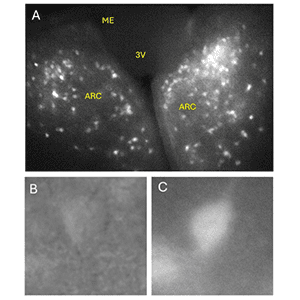
Kiss1 neurons in the mammalian brain release the neuropeptide kisspeptin, stimulating gonadotropin-releasing hormone (GnRH) release and activating the hypothalamic–pituitary–gonadal (HPG) axis.

In this one-hour webinar, two leading experts explored how the living brain slice is revealing new mechanisms of seizure generation, improving translational research, and shaping future therapeutic strategies.
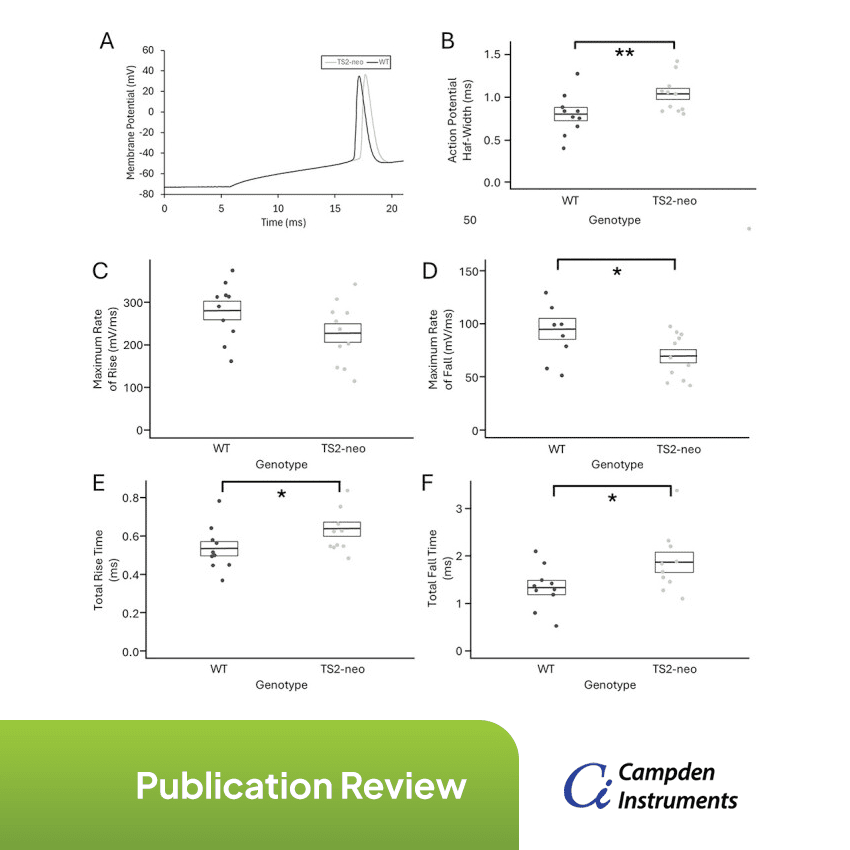
Two recently published studies shed light on the neurological mechanisms underlying Timothy syndrome and Alexander disease. Despite their distinct causes, both rare disorders share a common thread in how genetic mutations disrupt brain function at the synaptic and circuit level.
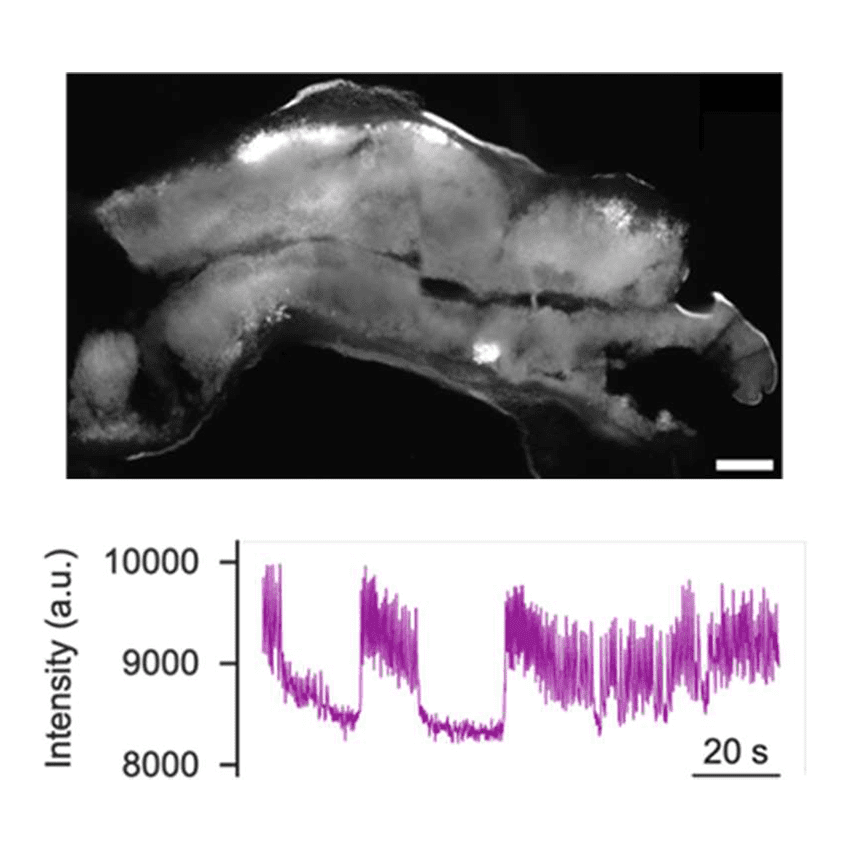
Adrenal function can be investigated using a plethora of methods, but acute slice preparations provide a unique approach, providing good access for experimental interventions while maintaining cellular interactions within the tissue.
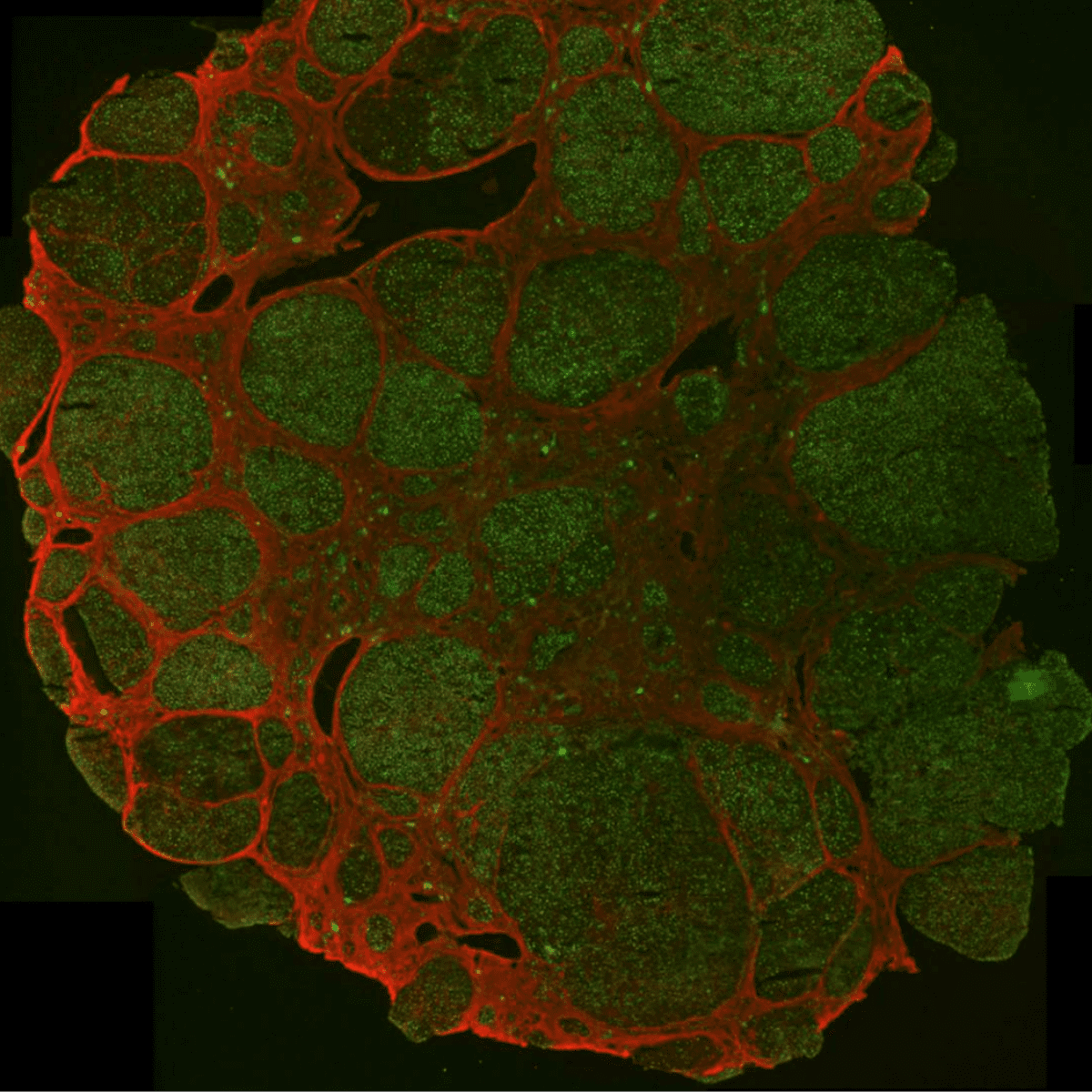
Precision-cut liver slices (PCLS) preserve the full hepatic microenvironment for ex vivo research—supporting studies in hepatotoxicology, fibrosis, and metabolic disease. Learn how optimized vibratome parameters and systems like the 9000SMZ and 5100mz-Plus ensure reproducible, high-quality liver slicing.
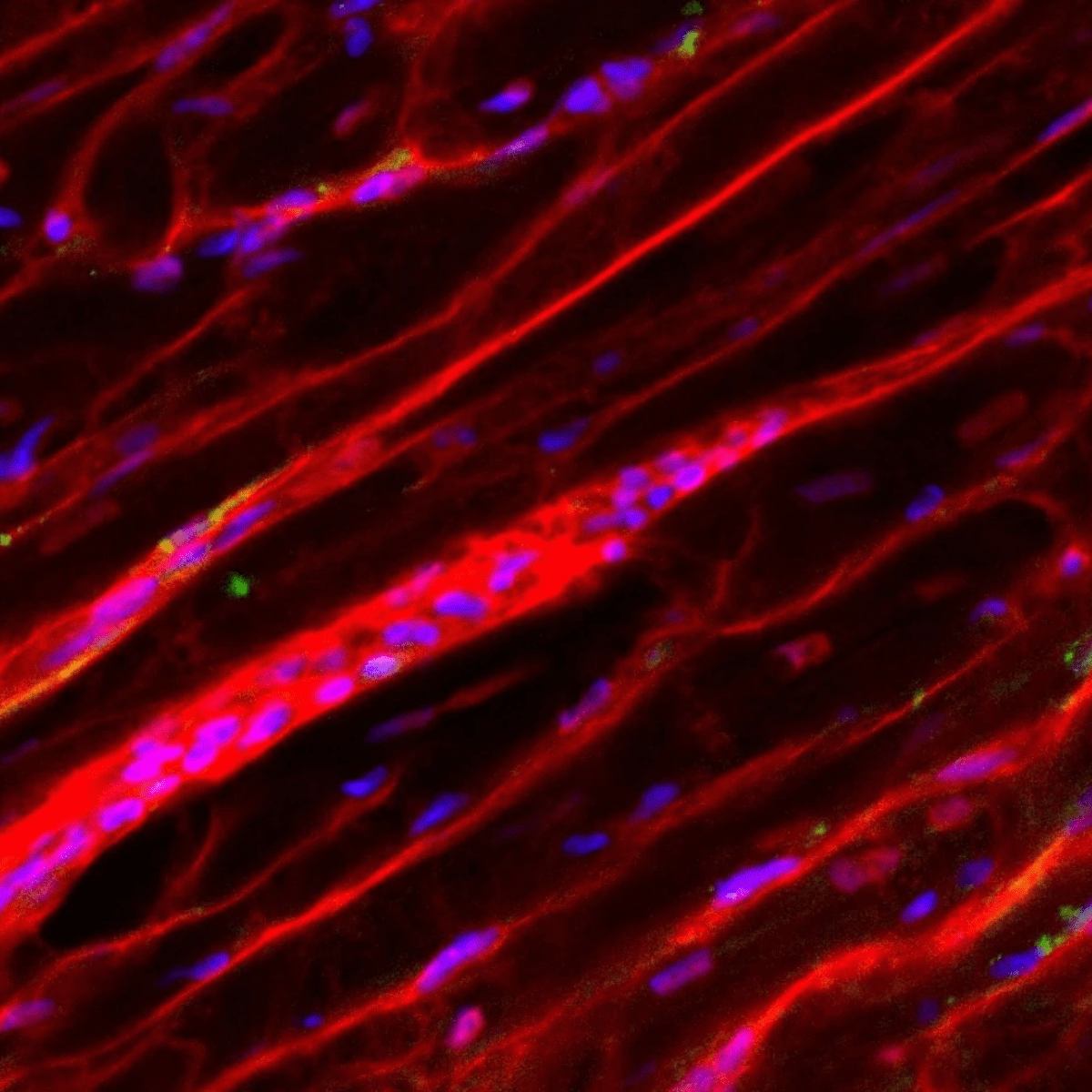
Living myocardial slices are vital for cardiac research, enabling precise study of heart physiology, disease modeling, and drug testing. Learn how advanced vibrating microtomes like the 9000SMZ and 5100mz-Plus preserve tissue function for breakthrough discoveries.
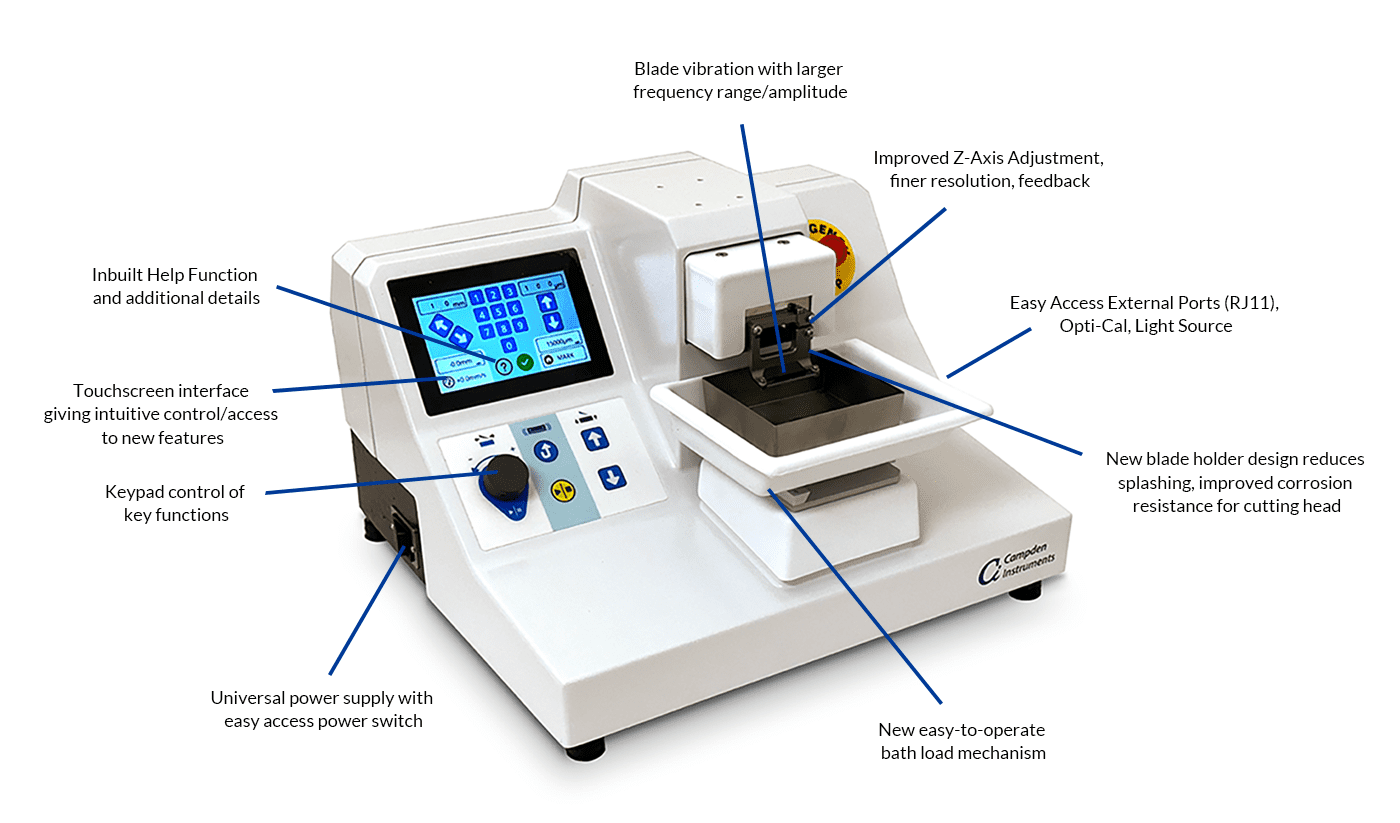
Having manufactured vibrating microtomes (aka vibratomes) for over 40 years, we know a thing or two. Read our guide and discover how vibratomes work, compare models, and explore applications in neuroscience and pathology.
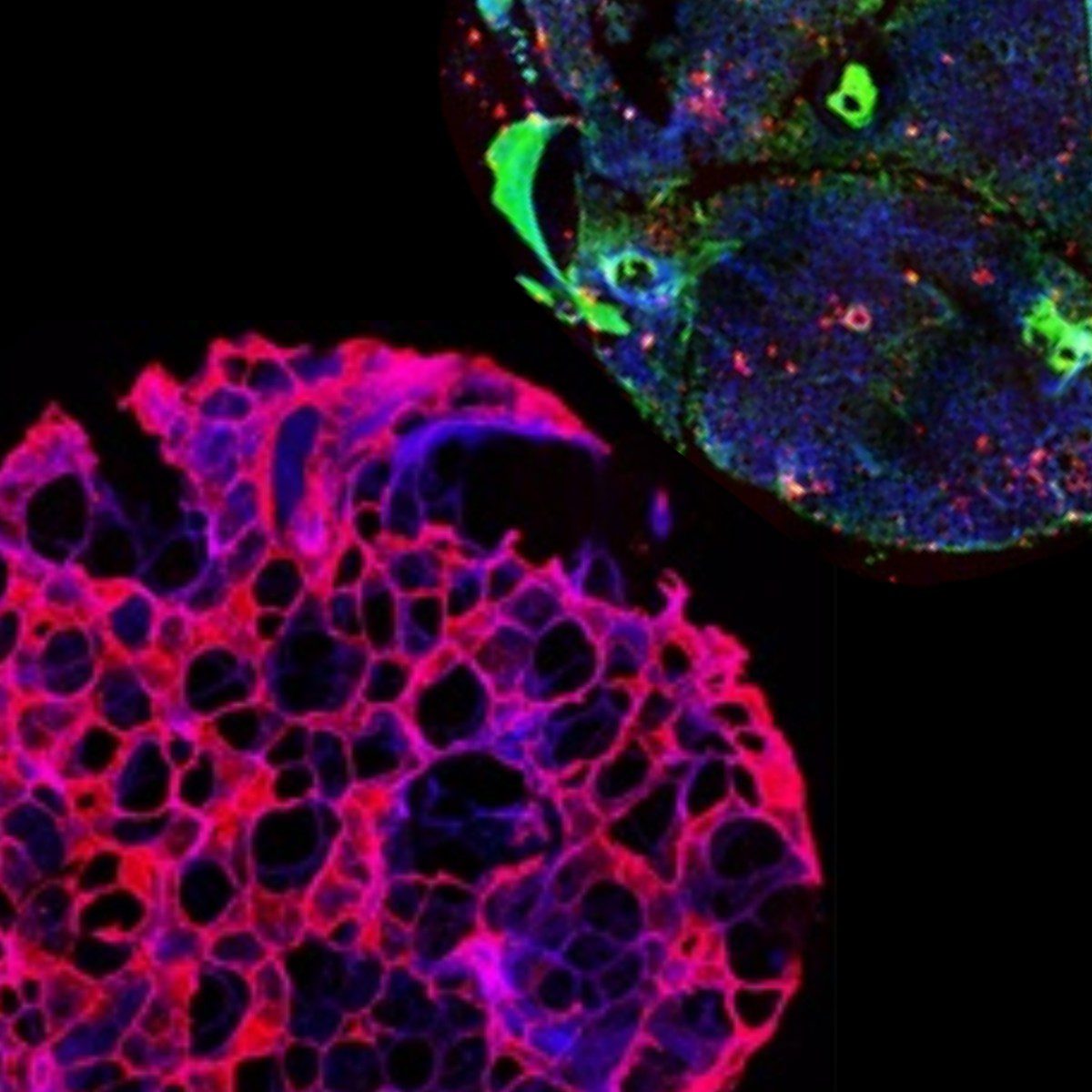
Discover precision cut lung slices (PCLS) for toxicology, immunology, and drug development. Improve reproducibility with Campden's lung tissue slicing systems.
Instruments
Inspiring Insights

Headquarters:
3700 Sagamore Pkwy N
Lafayette, IN 47904
P : +1 (765) 423-1505
Europe:
P.O. Box 8148, Loughborough, Leicester,
LE12 7XT. England
P : +44 1509 814790
© 2009 - 2026 Lafayette Instrument Company. All Rights Reserved