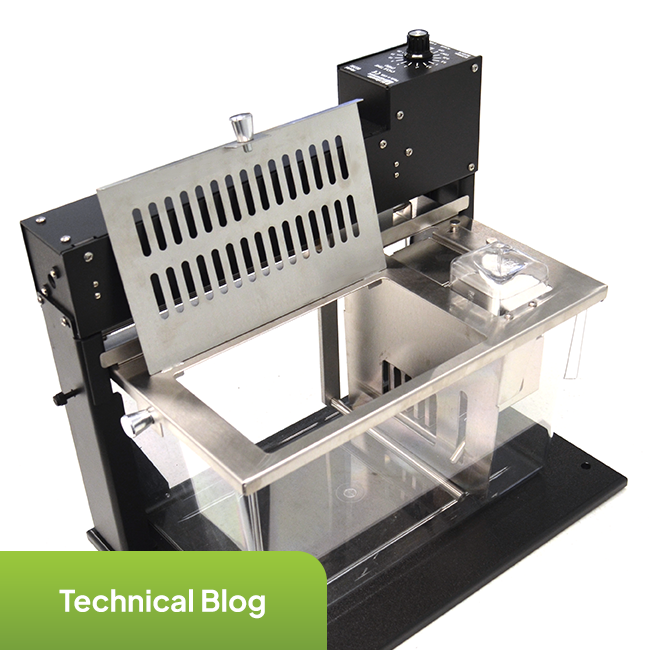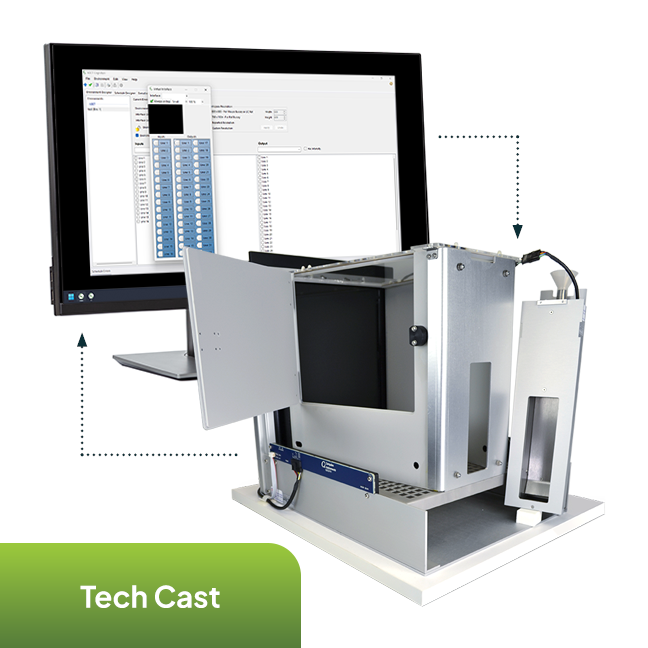
As add-on software to our line of touchscreen chambers from Campden Instruments, a wide range of behavioral tasks have been developed to probe different areas of cognition, most of which are ready to run, include all required training paradigms, and can easily be modified as needed.
An important consideration in the development of translational tasks has been to maximize the likelihood that the same cognitive abilities are used by both animals and humans to perform each test. Consequently, complex tasks are broken down into their constituent elements and each element assessed independently of the next in a step-by-step progression through the test. Guiding a subject through the test in this way restricts the use of alternative strategies and permits an analysis of performance in terms of the cognitive components involved. Functional equivalence is suggested if the pattern of performance of animals and humans, at each stage of the test, is qualitatively similar and if comparable impairments are seen following damage to selective brain structures.
Discover the right tasks for your research!
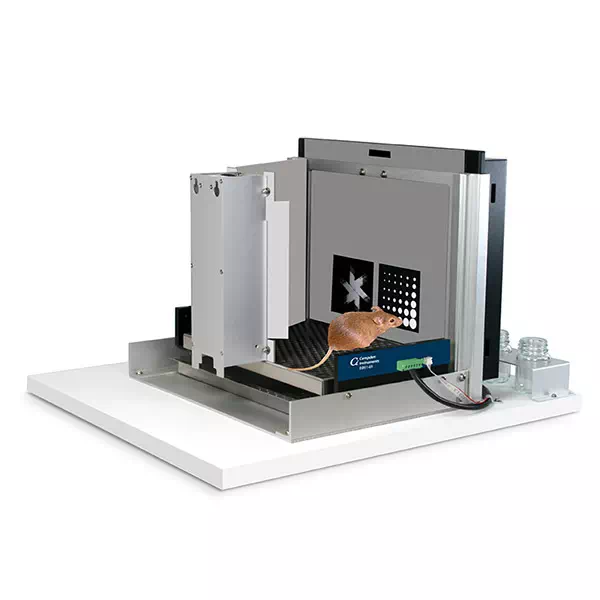
Two-choice Paired/Visual Discrimination Reversal (PD) for Mice
Adapted for mice, this reversal learning task requires inhibition of prepotent responses and is known to be dependent on the prefrontal cortex.
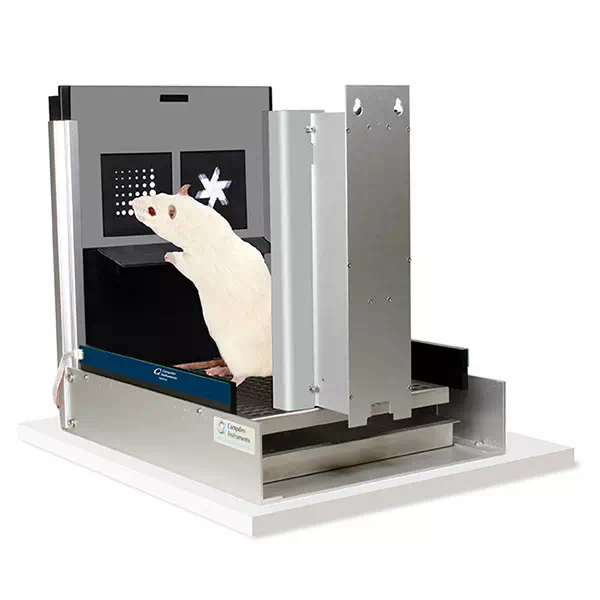
Two-choice Paired/Visual Discrimination Reversal (PD) for Rats
Adapted for rats, this reversal learning task requires inhibition of prepotent responses and is known to be dependent on the prefrontal cortex.
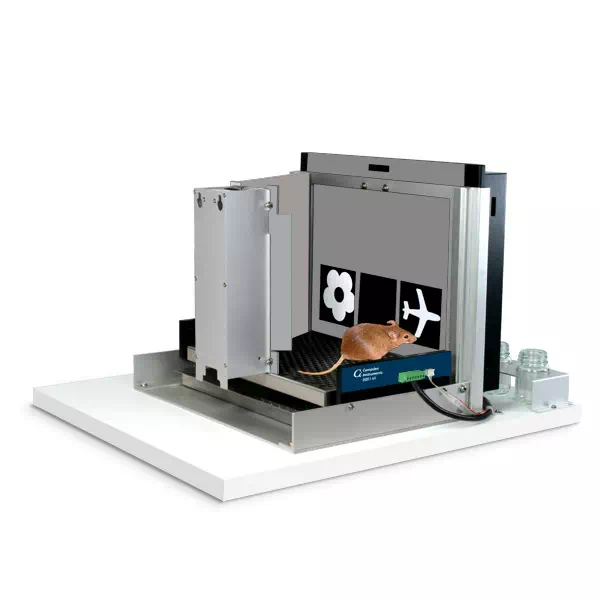
Paired-Associate Learning Task (PAL) for Mice
Adapted for mice, this is a hippocampal task. In humans, this task has proved to be highly effective for the early detection of Alzheimer''s disease.
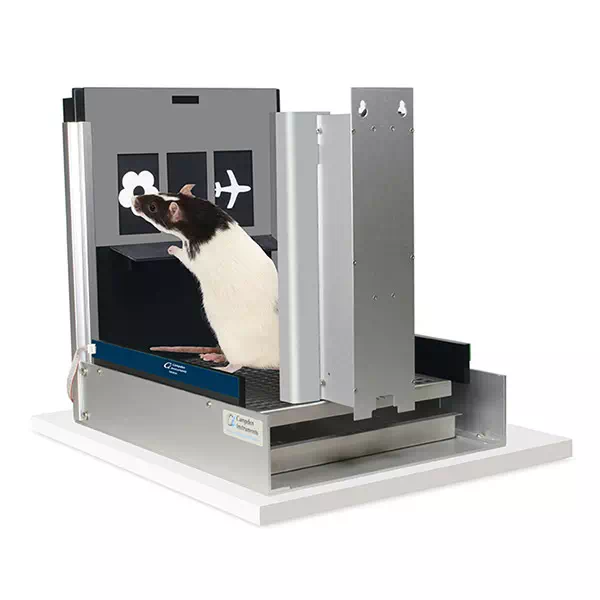
Paired-Associate Learning Task (PAL) for Rats
Adapted for rats, this is a hippocampal task. In humans, this task has proved to be highly effective for the early detection of Alzheimer''s disease.
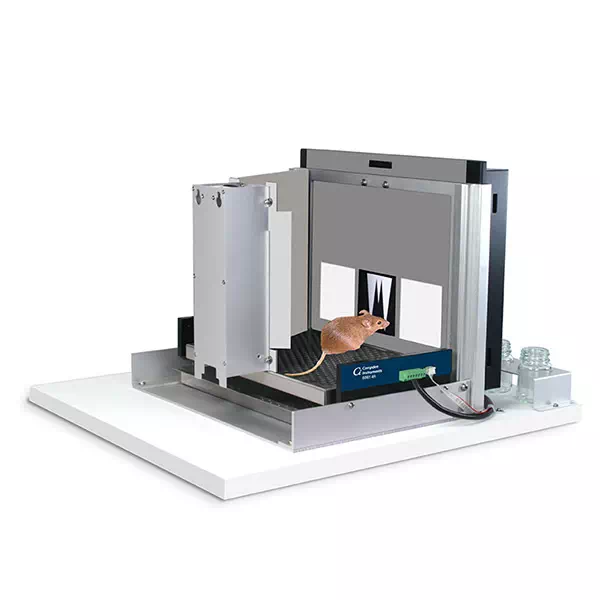
Visuomotor Conditional Learning (VMCL) for Mice
Adapted for mice, this is a habit or stimulus-response task in which the rodent learns a conditional rule.
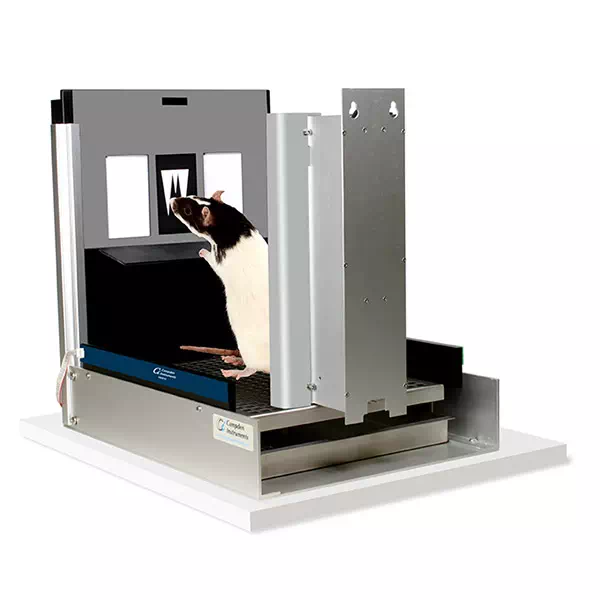
Visuomotor Conditional Learning (VMCL) for Rats
Adapted for rats, this is a habit or stimulus-response task in which the rodent learns a conditional rule.
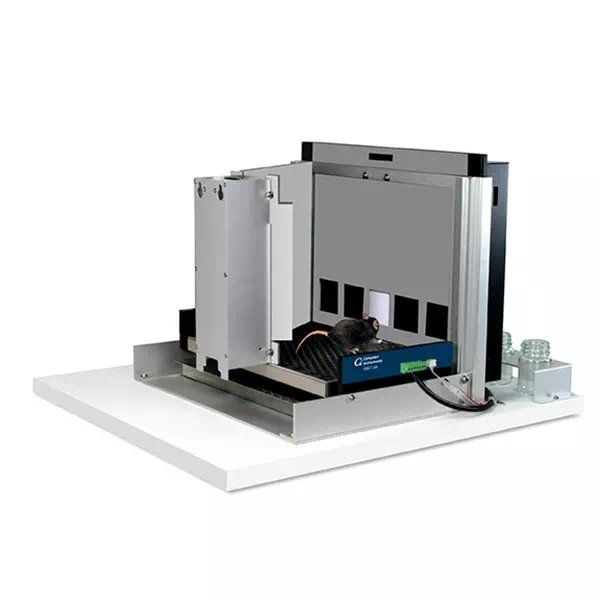
5-choice Serial Reaction Time Task (5CSRT) for Mice
Adapted for mice, this task is sensitive to cortical manipulations, especially those involving prefrontal cortex, and is highly dependent on cholinergic transmission.
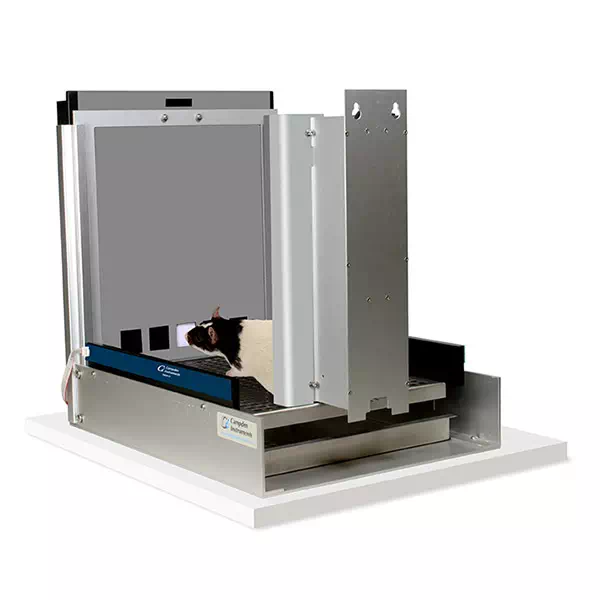
5-choice Serial Reaction Time Task (5CSRT) for Rats
Adapted for rats, this task is sensitive to cortical manipulations, especially those involving prefrontal cortex, and is highly dependent on cholinergic transmission.
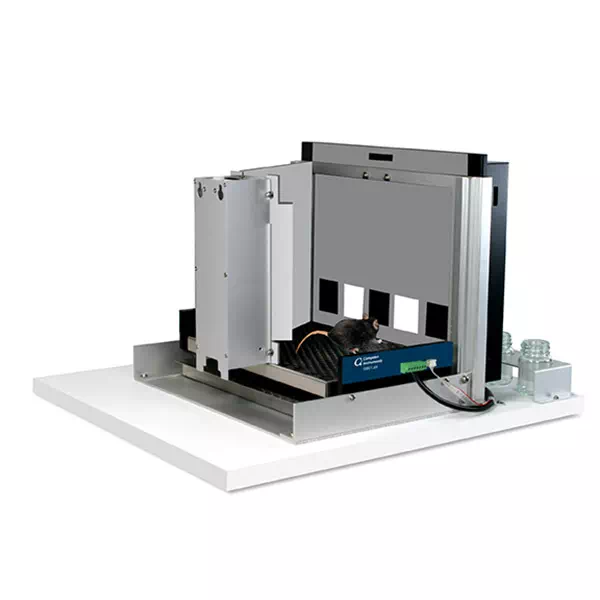
Trial-unique Nonmatching-to-Location Task (TUNL) for Mice
Adapted for mice, this is a working memory task. TUNL is a delayed nonmatching-to-place task that prevents the mediating strategies associated with the equivalent lever task.
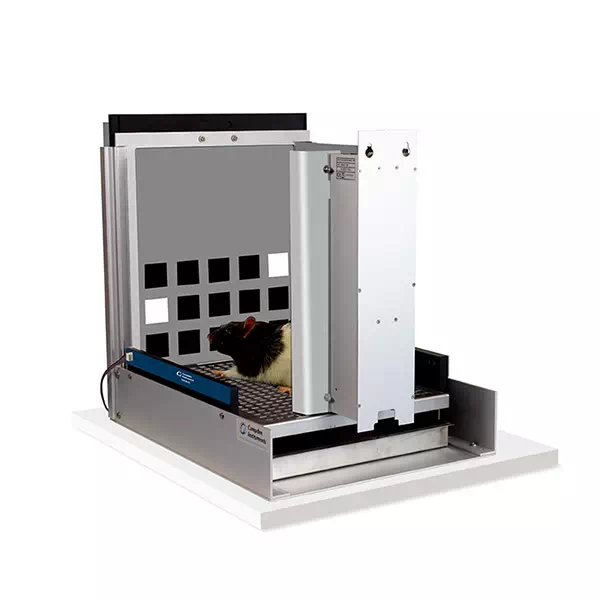
Trial-unique Nonmatching-to-Location Task (TUNL) for Rats
Adapted for rats, this is a working memory task. TUNL is a delayed nonmatching-to-place task that prevents the mediating strategies associated with the equivalent lever task.
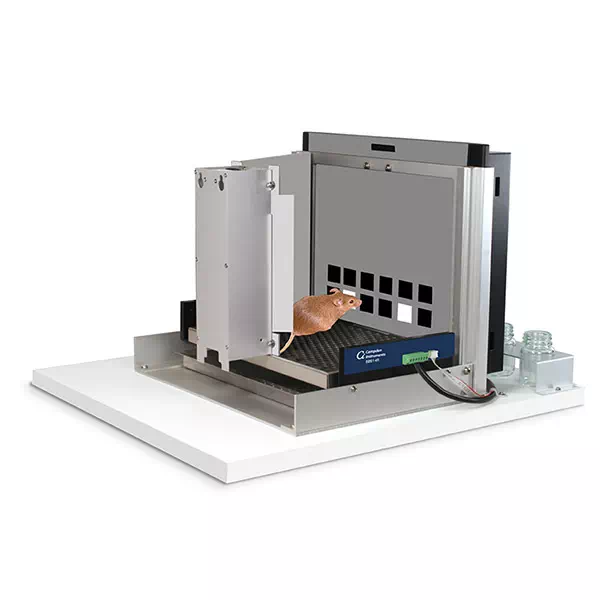
Location Discrimination (LD) for Mice
Adapted for mice, this is a spatial memory task with a reversal learning component. It is sensitive to hippocampal lesions and associated with glutamate receptor regulation and signaling.
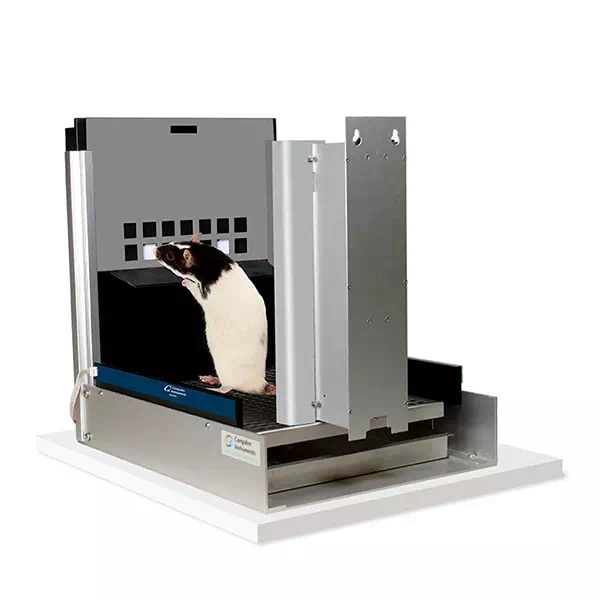
Location Discrimination (LD) for Rats
Adapted for rats, this is a spatial memory task with a reversal learning component. It is sensitive to hippocampal lesions and associated with glutamate receptor regulation and signaling.
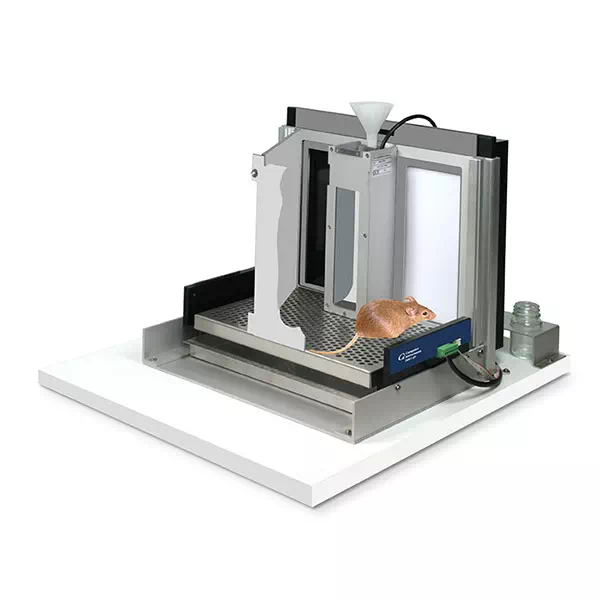
Autoshaping (Auto) for Mice
Adapted for mice, this task measures a Pavlovian response to the screen. This is a very rapidly administered test of simple classical conditioning that is dependent on a reward system centered on the ventral striatum.
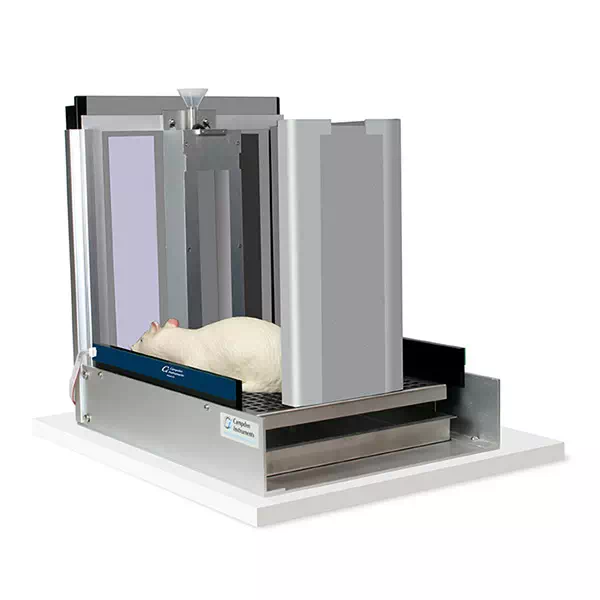
Autoshaping (Auto) for Rats
Adapted for rats, this task measures a Pavlovian response to the screen. This is a very rapidly administered test of simple classical conditioning that is dependent on a reward system centered on the ventral striatum.
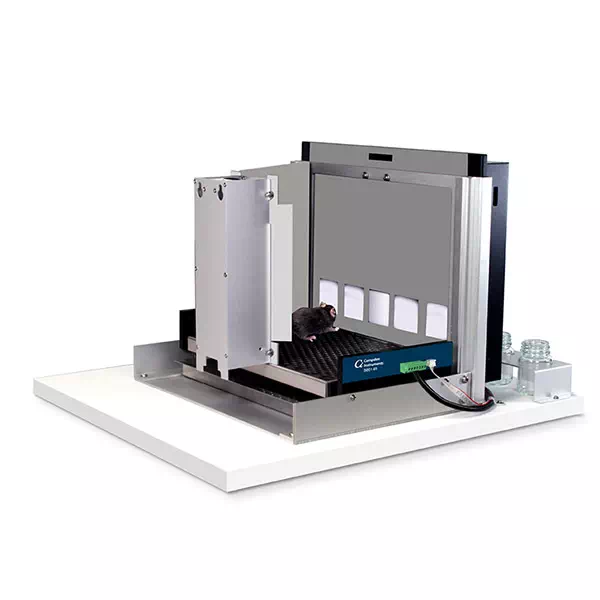
5-Choice Continuous Performance Test (5C-CPT) for Mice
Adapted for mice, this go/no-go task measures both attentional and inhibitory systems within a single task paradigm, enabling the assessment of vigilance.
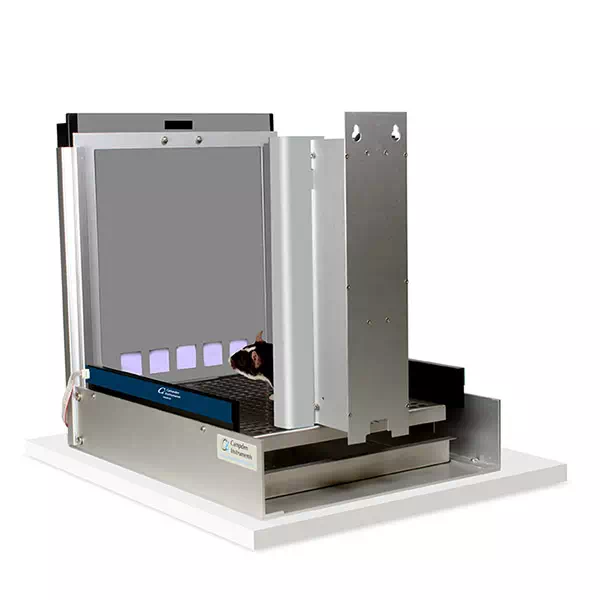
5-Choice Continuous Performance Test (5C-CPT) for Rats
Adapted for rats, this go/no-go task measures both attentional and inhibitory systems within a single task paradigm, enabling the assessment of vigilance.
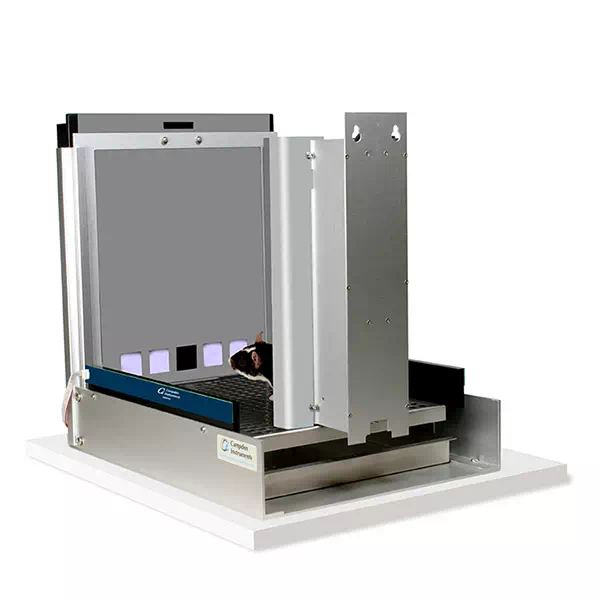
4-Choice Gambling Task (4C-GT) for Rats
Adapted for rats, this test is based on the Iowa Gambling Task, sensitive to serotonergic and dopaminergic agents.
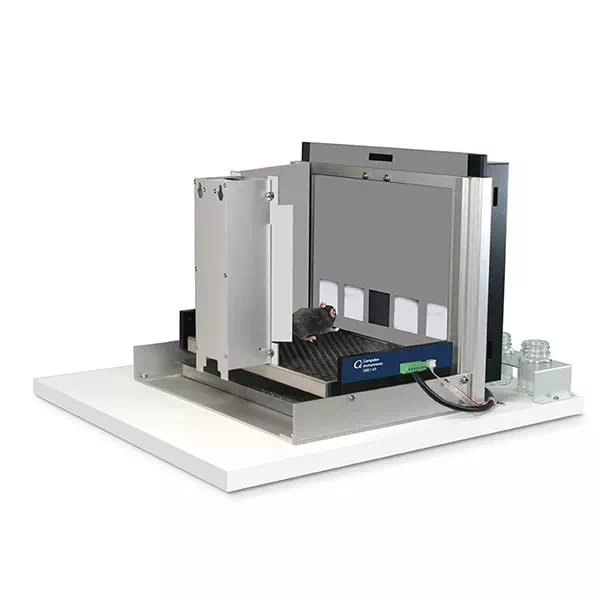
4-Choice Gambling Task (4C-GT) for Mice
Adapted for mice, this test is based on the Iowa Gambling Task, sensitive to serotonergic and dopaminergic agents.
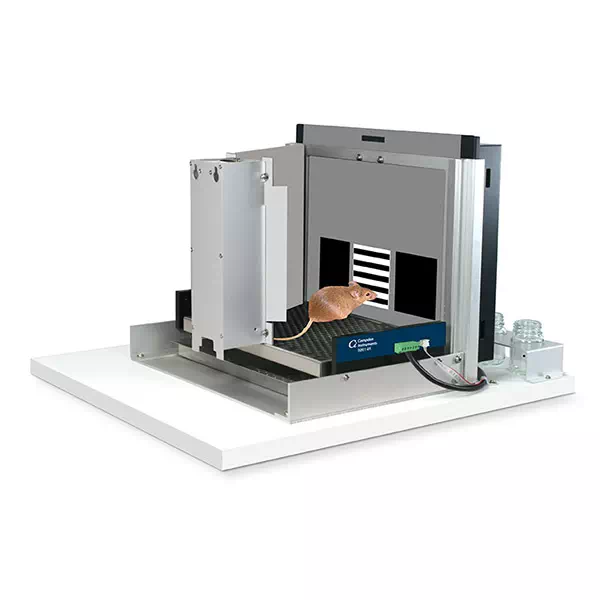
Rodent Continuous Performance Task: Image (rCPT) for Mice
Adapted for mice. In this Rodent CPT (Image) task, 5 different images are shown briefly, one at a time and in a random order. One of the images is designated the target stimulus. In order to obtain reward, the subject [...]
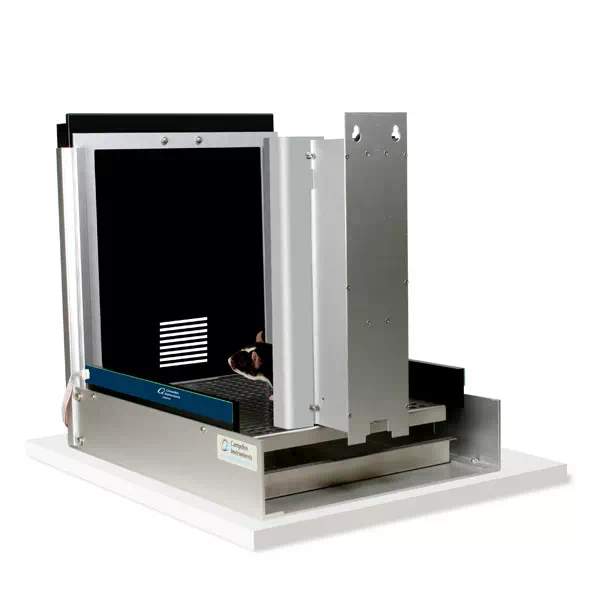
Rodent Continuous Performance Task: Image (rCPT) for Rats
Adapted for rats. In this Rodent CPT (Image) task, 5 different images are shown briefly, one at a time and in a random order. One of the images is designated the target stimulus. In order to obtain reward, the subject [...]
Progressive Ratio and Effort Related Choice Task (PR/ERC) for Mice
Adapted for mice, this touch screen task has been shown equivalent to those performed with levers or nose-poke holes in measuring motivation and reward-related decision making.
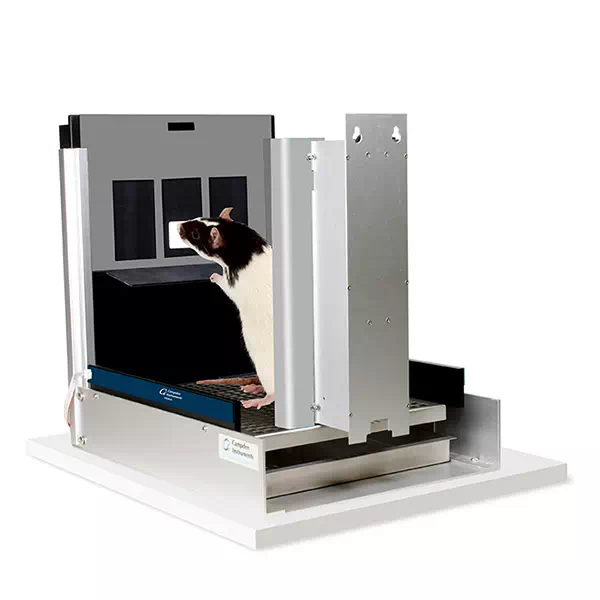
Extinction (EXT) for Rats
Adapted for rats, this is a simple, but powerful, test of behavioral inhibition.
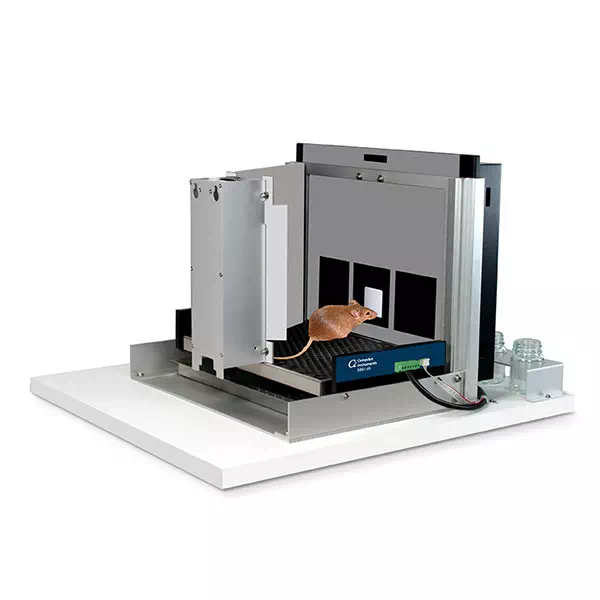
Extinction (EXT) for Mice
Adapted for mice, this is a simple, but powerful, test of behavioral inhibition.
Progressive Ratio and Effort Related Choice Task (PR/ERC) for Rats
Adapted for rats, this touch screen task has been shown equivalent to those performed with levers or nose-poke holes in measuring motivation and reward-related decision making.
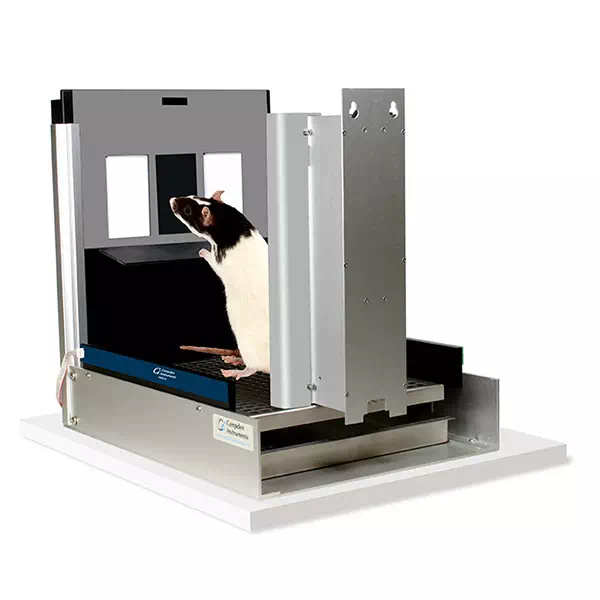
Probabilistic Reversal Learning (PRL) for Rats
Adapted for rats. Designed to measure sensitivity to valence feedback information, PRL is sensitive to serotonergic manipulations, suggesting this test may be used to study depression-relevant behavior.
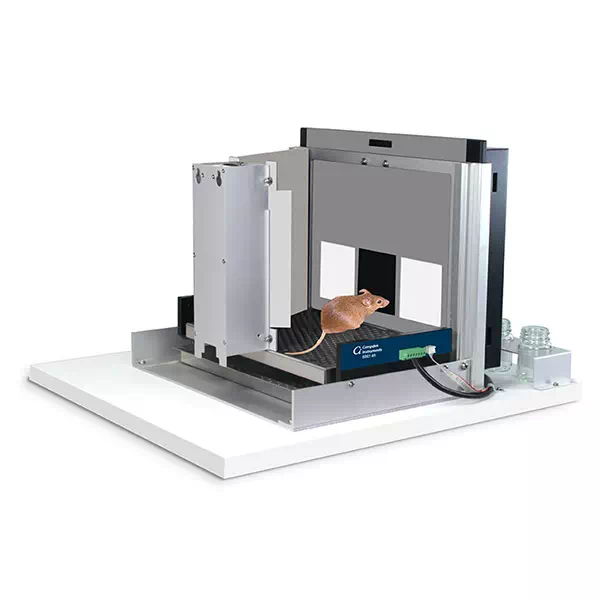
Probabilistic Reversal Learning (PRL) for Mice
Adapted for mice. Designed to measure sensitivity to valence feedback information, PRL is sensitive to serotonergic manipulations, suggesting this test may be used to study depression-relevant behavior.
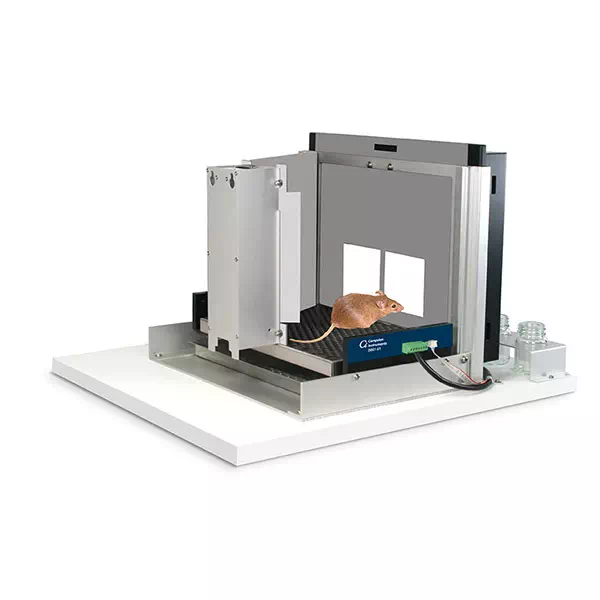
Delay Discounting Task (DD) for Mice
Adapted for mice. As a measure of impulsivity, the Delay Discounting Task (DD) measures how long the rodent is prepared to wait for a larger reward.
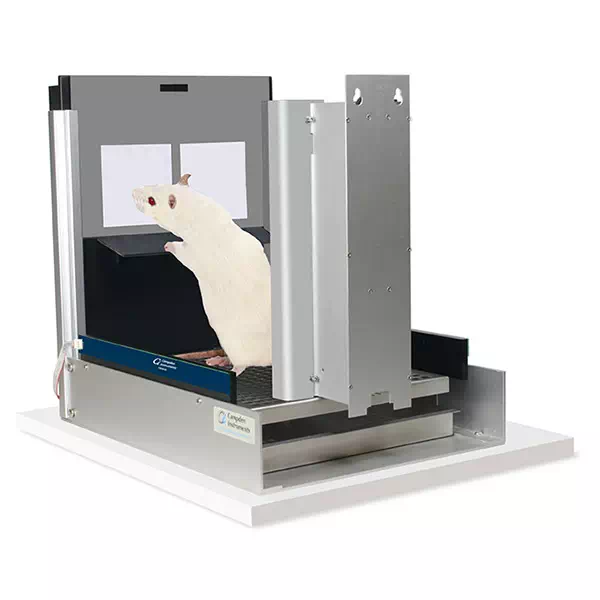
Delay Discounting Task (DD) for Rats
Adapted for rats. As a measure of impulsivity, the Delay Discounting Task (DD) measures how long the rodent is prepared to wait for a larger reward.